Cinema deserves more than a silent exit into traffic. Tales on Screen brings together lovers of Satyajit Ray, Wong Kar-wai, Abbas Kiarostami, Agnès Varda, and bold contemporary cinema for intimate arthouse screenings in Dhaka. Every screening is paired with a curated coffee pour and followed by an unhurried, moderated critical conversation.
The Critic's Film Notebook · 77 Critical Dispatches
What We Are Watching
Critical dispatches, auteur reflections, and curatorial screening notes by Amor Asad. An open record of cinematic taste and discernment.
Curatorial Dispatch
Not algorithmic recommendations, but an ongoing record of what informs our film salon.
Showing 18 of 77 reviews
Currently Watching
Dec 13, 2022
Film as Art #37 · Critical Essay
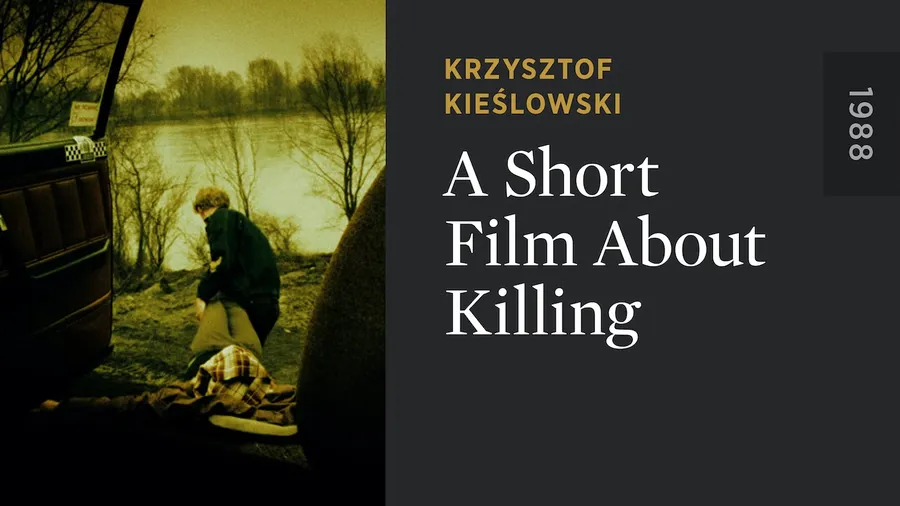
A Short Film About Killing(1988)
Directed by Krzysztof Kieślowski · Critical Review by Amor Asad
Pairing:Auteur Espresso Blend (Stovetop Moka Pot)
“Of course, it’s partly due to the manner these killings are portrayed.”
A Short Film About Killing
#Film as Art #37#1988#Filmasart#Cine
Currently Watching
Dec 8, 2022
Cinema Notebook · Critical Review
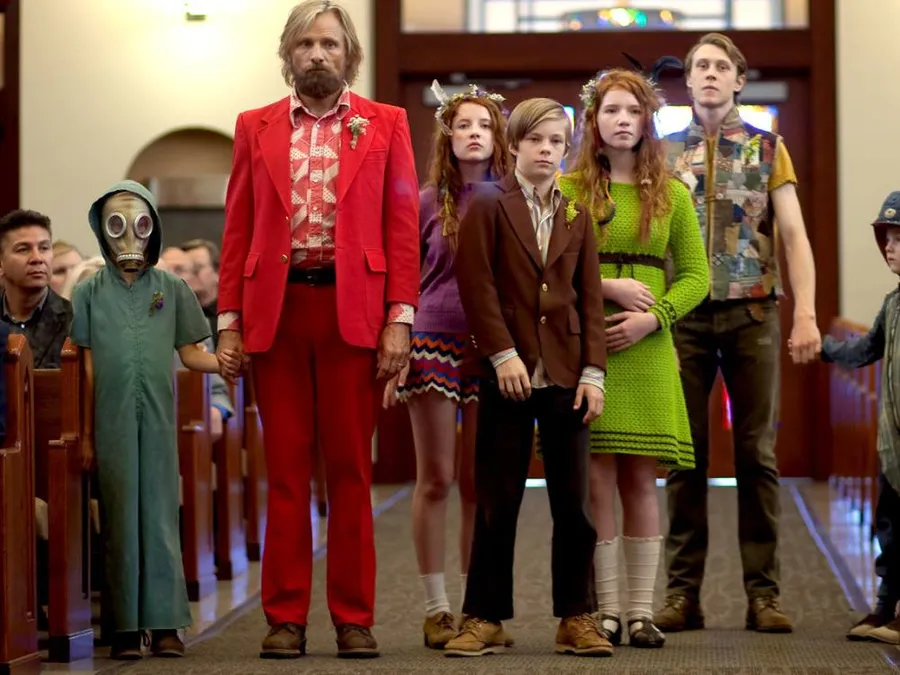
চমস্কির প্রতি ট্রিবিউট / ক্যাপ্টেইন ফ্যান্টাস্টিক
Directed by Matt Ross · Critical Review by Amor Asad
Pairing:Monsoon Nocturne Dark Roast (Moka Pot or Espresso)
“ইন্সপাইরেশনাল সিনেমা বলতে সাধারণ মতামতটা হলো, সিনেমায় মূল চরিত্র তার জীবন সংগ্রামে যুদ্ধ করে এগিয়ে যাবে, এবং এখানে সফলতা গুরুত্বপূর্ণ উপাদান।”
আজকে নোম চমস্কির জন্মদিন। জীবিত ইন্টেলেকচুয়ালদের মধ্যে খুবই পছন্দের ব্যক্তিত্ব চমস্কি। তাঁর লেখার আন্তর্জাতিক সম্পর্ক এবং আমেরিকার পররাষ্ট্রনীতি আমার চোখ খুলে দিয়েছে অনেক কিছুর ব্যাপারেই একই সাথে আগে থেকে যা জানতাম অস্পষ্টভাবে, সেগুলোকে পরিস্কার করেছে। চমস্কি বাম চিন্তাধারার পুরোধা আর তাকে বামেরা সেলিব্রেটও করে। গত ১৬ সালে এমন একটা সিনেমা হয়েছিলো, লিবারাল সুখস্বপ্নময় সিনেমা। সিনেমায় ওরা ঘটা করে চমস্কির জন্মদিন পালন করে। তাই ওর ৯৪ তম জন্মদিনে ট্রিবিউট হিসেবে আমার লেখা সেই সিনেমার আলাপ শেয়ার করতে চাই।
#Cinema Notebook#Review#Cent
Currently Watching
Dec 3, 2022
Cinema Notebook · Critical Review
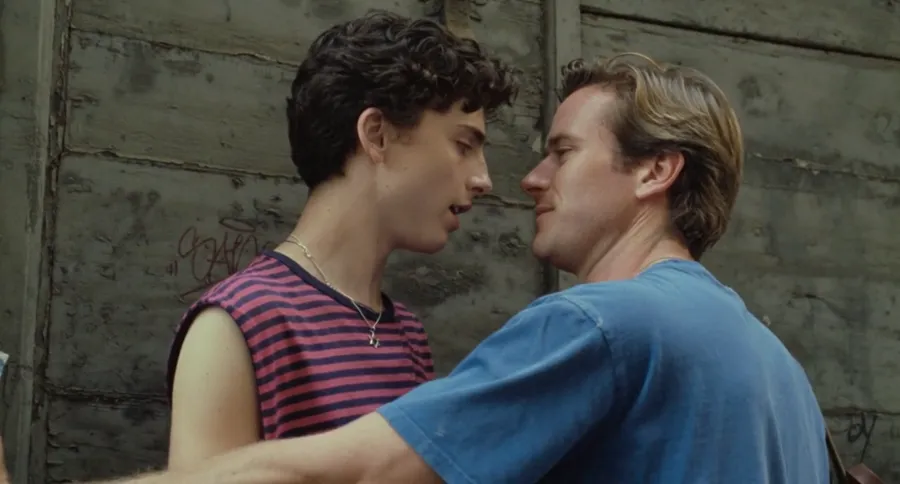
Call Me By Your Name(2017)
Directed by Luca Guadagnino · Critical Review by Amor Asad
Pairing:First Edition House Blend (French Press)
“Despite liking the premise and the beautiful location this film takes place, I was bored halfway the first time I’ve tried it.”
Despite liking the premise and the beautiful location this film takes place, I was bored halfway the first time I’ve tried it. I’ve recently made another attempt, while I did sit through the entirety of it, I got bored again midway. The serene, sun kissed roads of semi-urban Italy, the meadows, the brick ponds and small and shallow water body that glitters like pearl under direct sunlight could only do so much. Yet I was enjoying the film. I asked myself, how is that I was amused and bored by it simultaneously and my answer would be miscast in case of the character ‘Oliver’ and spending too much time developing a functional relationship.
#Cinema Notebook#2017#Cine#Cent
Currently Watching
Aug 21, 2022
Cinema Notebook · Critical Review
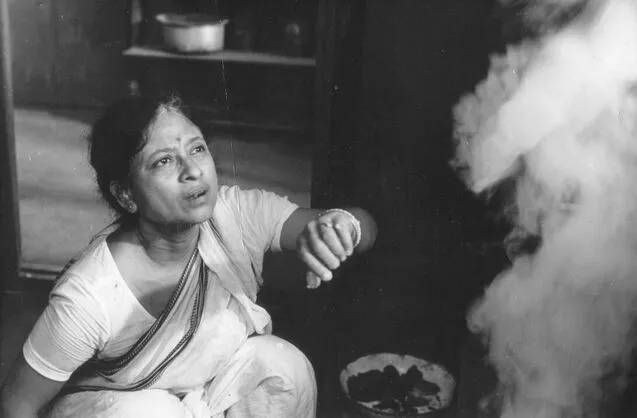
Kaleidoscope / চালচিত্র(1981)
Directed by Mrinal Sen · Critical Review by Amor Asad
Pairing:Matinée Single Origin (V60 Pour-Over, 92°C)
“I, despite being a fervent film enthusiast, did not get to see many films with my family as an adult.”
I, despite being a fervent film enthusiast, did not get to see many films with my family as an adult. I will not elaborate on the agents that barred our way: but recently we've gathered together for a few limited film viewings. Naturally, I had to choose films shot in a language that would be comprehensible to my elderly parents as I suspected they would not bother to sit through a foreign film they didn't understand a single word of and I should note that they didn't have any experience reading the subtitles either. So when the time was nigh, I selected "Caleidoscope (chalchitra)" by Mrinal Sen from 1981.
#Cinema Notebook#1981#Review#Shorts
Salon Archive
Oct 16, 2021
Film as Art #36 · Critical Essay
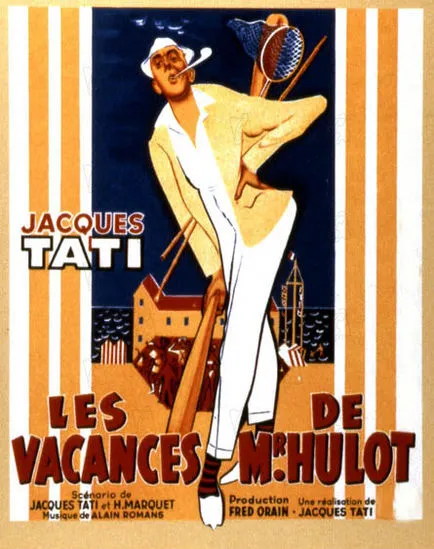
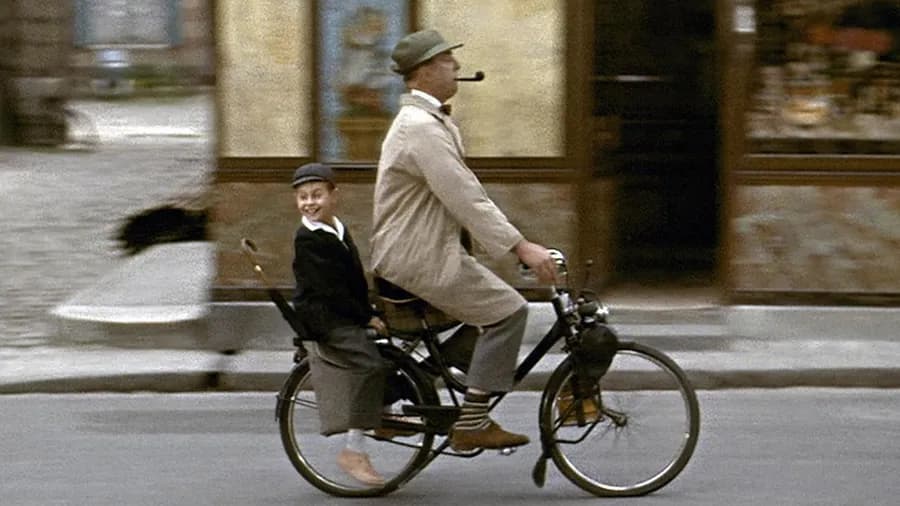
Les Vacances de Monsieur Hulot(1953)
Directed by Jacques Tati · Critical Review by Amor Asad
Pairing:Matinée Single Origin (V60 Pour-Over, 92°C)
“In Tati's later Hulot films we see his distrust in technological advancement and the increasing reliance on machines to accomplish daily tasks.”
Les Vacances de Monsieur Hulot (1953)
#Film as Art #36#1953#Cine#Proofofbrain
Salon Archive
Sep 26, 2021
Cinema Notebook · Critical Review
How to find great cinema
Directed by World Cinema Dispatch · Critical Review by Amor Asad
Pairing:Auteur Espresso Blend (Stovetop Moka Pot)
“This article is not a technical guide to download cinema, neither it is a tutorial of any sort.”
This article is not a technical guide to download cinema, neither it is a tutorial of any sort. It will focus on Cinema only as an art form and ignore everything else.
#Cinema Notebook#Cine#Proofofbrain
Salon Archive
Jul 11, 2021
Film as Art #35 · Critical Essay
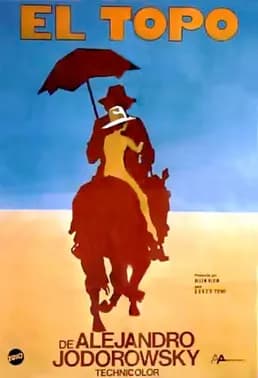
El Topo(1970)
Directed by Alejandro Jodorowsky · Critical Review by Amor Asad
Pairing:First Edition House Blend (French Press)
“Through the sea of scorched sand, a black horse is carrying two riders, despite all the complaints the desert might have.”
Dir: Alejandro Jodorowsky
#Film as Art #35#1970#Cine#Proofofbrain
Salon Archive
Jun 9, 2021
Film as Art #34 · Critical Essay
Paprika(2006)
Directed by Satoshi Kon · Critical Review by Amor Asad
Pairing:Auteur Espresso Blend (Stovetop Moka Pot)
“When Inception came out in 2010, it took the world by surprise and shook everyone hard.”
If you've seen Christopher Nolan's Inception and are familiar with the central concept the film is built upon, dream within a dream, and venturing into someone else's dream world, then you will find Paprika's concept familiar as well. That is so because Paprika is the film Nolan got his inspiration from and not only he took the concept, he also re-made some shots from Paprika and used them in his film.
#Film as Art #34#2006#Cine#Proofofbrain
Salon Archive
Jun 7, 2021
Film as Art #33 · Critical Essay
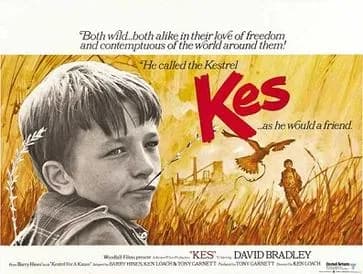
Kes(1969)
Directed by Ken Loach · Critical Review by Amor Asad
Pairing:Monsoon Nocturne Dark Roast (Moka Pot or Espresso)
“The protagonist of the film, the 15-year-old teenage boy, is a reflection looking back at me through the mirror.”
Watching Kes was a scintillating experience. At first, I was reliving my teenage days. I realized, later on, it represented every single childhood I knew around me, perhaps all the lower middle class childhoods are like that all over the world. The protagonist of the film, the 15-year-old teenage boy, is a reflection looking back at me through the mirror. Running through the woods with a stick in my hands. Beating the passing, swaying heads of undergrowths without a care in the world. Looking for birds nests. Stealing foods from the truck, books from the library. Troubles at home. Running from them.
#Film as Art #33#1969#Cine#Proofofbrain
Salon Archive
May 26, 2021
Cinema Notebook · Critical Review
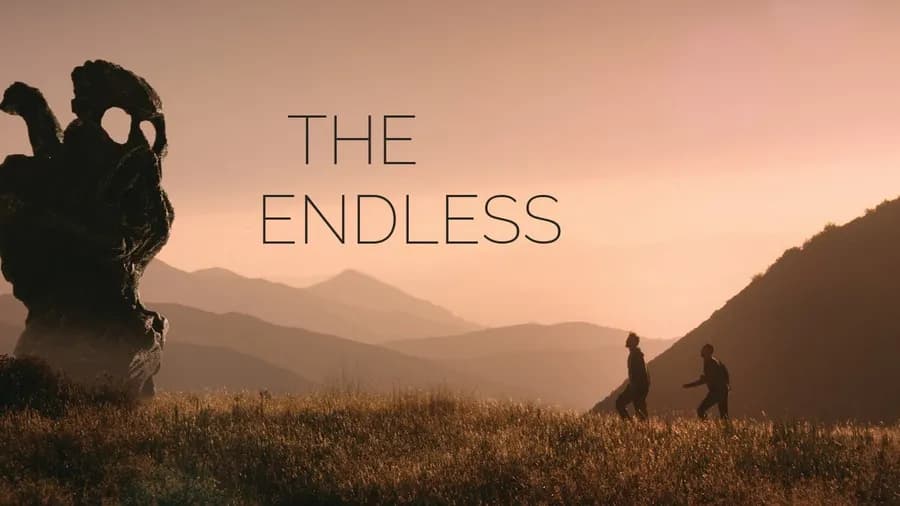
The Endless : Yet another unheard indie sci-fi(2017)
Directed by Justin Benson & Aaron Moorhead · Critical Review by Amor Asad
Pairing:Matinée Single Origin (V60 Pour-Over, 92°C)
“Yep, the trope is overused and every year we see one or two iterations (maybe more?”
Dir: Justin Benson and Aaron Moorhead
#Cinema Notebook#2017#Cine#Proofofbrain
Salon Archive
May 24, 2021
Cinema Notebook · Critical Review
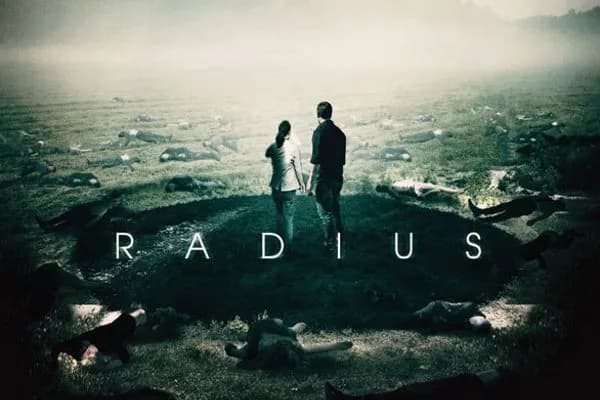
Radius | Another Forgotten Indie Sci-fi from the Last Decade(2017)
Directed by Caroline Labrèche & Steeve Léonard · Critical Review by Amor Asad
Pairing:Auteur Espresso Blend (Stovetop Moka Pot)
“I don't usually like to tell the story of a film, it defeats the purpose of reviewing it, or, generally having a discussion on it.”
Dir: Caroline Labrèche and Steeve Léonard.
#Cinema Notebook#2017#Cine#Proofofbrain
Salon Archive
May 20, 2021
Cinema Notebook · Critical Review
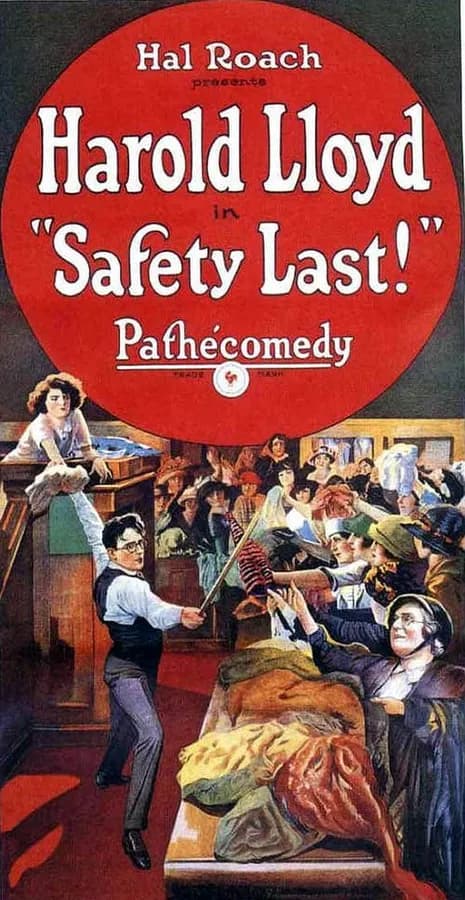
Safety Last and some updates(1923)
Directed by Fred C. Newmeyer & Sam Taylor · Critical Review by Amor Asad
Pairing:First Edition House Blend (French Press)
“Also the look and the descriptions of the community have been updated.”
Also the look and the descriptions of the community have been updated.
#Cinema Notebook#1923#Cine#Proofofbrain
Salon Archive
May 15, 2021
Film as Art #32 · Critical Essay
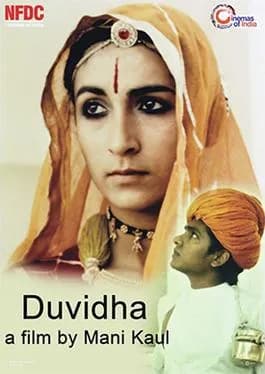
Duvidha(1973)
Directed by Mani Kaul · Critical Review by Amor Asad
Pairing:Matinée Single Origin (V60 Pour-Over, 92°C)
“I do not like Hindi movies: or so thought my peers in bdcommunity @azircon @zayedsakib.”
I do not like Hindi movies: or so thought my peers in bdcommunity @azircon @zayedsakib. It's not true but they have reasons to assume so, as I've expressed my disapproval of Bollywood quite strongly. Bollywood movies have exaggerated gestures and they are very star oriented. It's a movie-making business industry with no sense of art (this description will fit Hollywood too). They typically have some common tropes in every single movie. The same way of expressing emotions. The same background music. Songs appear suddenly out of thin air where everyone dances along with them for no damn reasons. Mind you, these movies are not well crafted stylized musicals where dance and music are used as artistic expressions: but every single one of them turns into musical melodrama meaninglessly with no sense of cinematic language. I consider them plastic garbage.
#Film as Art #32#1973#Cine#Proofofbrain
Salon Archive
May 10, 2021
Film as Art #31 · Critical Essay
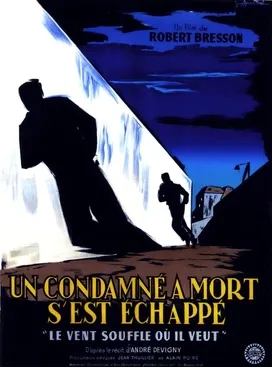
A Man Escaped(1956)
Directed by Robert Bresson · Critical Review by Amor Asad
Pairing:Auteur Espresso Blend (Stovetop Moka Pot)
“Throughout film history, master filmmakers threw unkind words at each other, but there is no novelty there.”
Throughout film history, master filmmakers threw unkind words at each other, but there is no novelty there. Artists from all form of arts lashed out at their fellow contemporaries, and sometimes even at the dead ones from long before! But I've never met with any commentary by any filmmaker that belittles Robert Bresson, he's apparently one of the few film artists to enjoy the admiration of all.
#Film as Art #31#1956#Cine#Proofofbrain
Salon Archive
May 8, 2021
Film as Art #30 · Critical Essay
The City of Lost Children(1995)
Directed by Marc Caro and Jean-Pierre Jeunet · Critical Review by Amor Asad
Pairing:Monsoon Nocturne Dark Roast (Moka Pot or Espresso)
“Caro and Jeunet's The City of Lost Children is not exactly a movie made for children, neither can it be tagged as exclusively for the adult audience.”
The City of Lost Children (1995)
#Film as Art #30#1995#Cine#Movie
Salon Archive
May 4, 2021
Film as Art #29 · Critical Essay
Mon Oncle(1958)
Directed by Jacques Tati · Critical Review by Amor Asad
Pairing:Matinée Single Origin (V60 Pour-Over, 92°C)
“Mon Oncle (My uncle) is said to be the most recognized Tati film in the west, surprisingly more so than his magnum opus, Playtime.”
Mon Oncle (My uncle) is said to be the most recognized Tati film in the west, surprisingly more so than his magnum opus, Playtime. In Mon Oncle Tati has fingers pointed at social dogmas such as conformity and the desire to be more appealing, more social, presentable and acceptable through possessions and wealth and public display of those. It also features Tati's fear of modern gadgets and the consumerism they encourage, (although that fear got blown up in full in Playtime). However, the film has a much more simplistic approach to comedy than Playtime.
#Film as Art #29#1958#Cine#Proofofbrain
Salon Archive
Apr 30, 2021
Film as Art #28 · Critical Essay
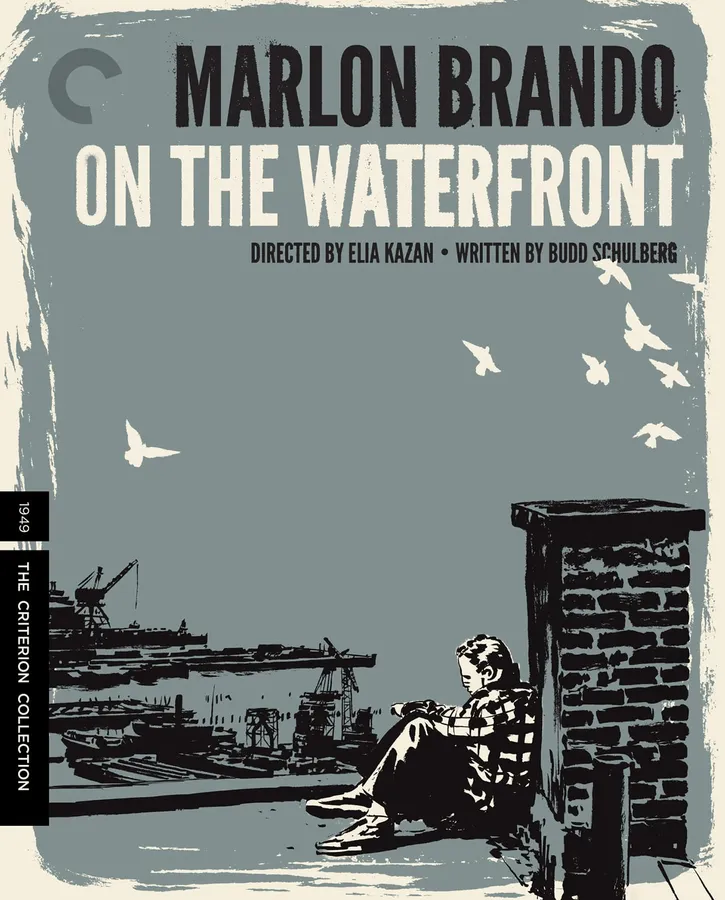
On The Waterfront(1954)
Directed by Elia Kazan · Critical Review by Amor Asad
Pairing:Auteur Espresso Blend (Stovetop Moka Pot)
“Elia Kazan is surely one of the prolific filmmakers of the old Hollywood, his colorful life is no less fascinating.”
Elia Kazan is surely one of the prolific filmmakers of the old Hollywood, his colorful life is no less fascinating. He was a member of the communist party in his early years, and later he turned around, ratted out a number of fellow communists from back then. Perhaps to remove the defector tag beside his name, he made On the Waterfront, a film based on crimes committed by the union of longshoremen, which is a cry in self-defense, a plea to see his reasoning, his righteousness. Whatever the reason was, this was a groundbreaking film.
#Film as Art #28#1954#Cine#Proofofbrain
Salon Archive
Apr 24, 2021
Film as Art #27 · Critical Essay
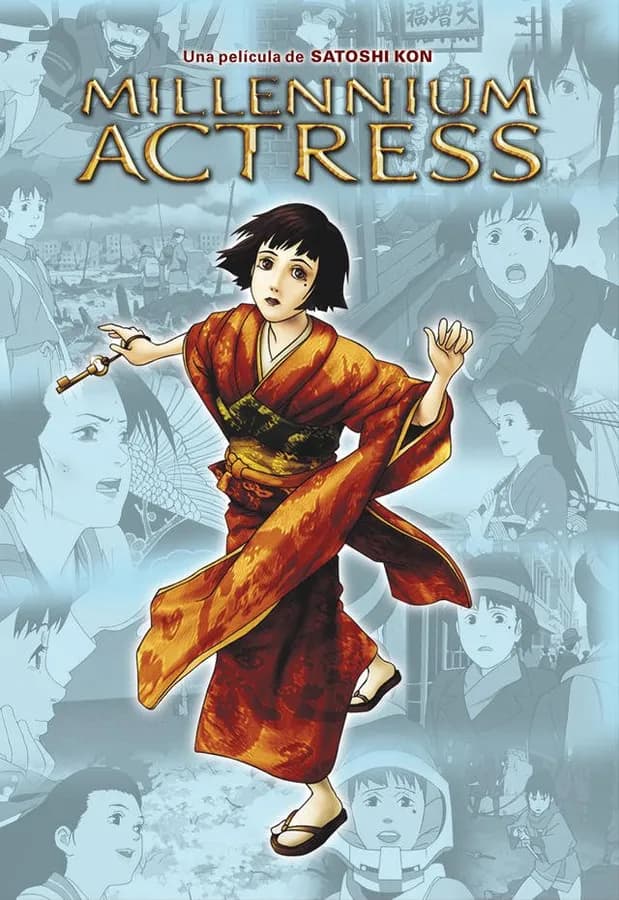
Millennium Actress(2001)
Directed by Satoshi Kon · Critical Review by Amor Asad
Pairing:Monsoon Nocturne Dark Roast (Moka Pot or Espresso)
“I don't believe I'd be in the wrong If I claim: Satoshi Kon was one of the greatest filmmakers of this century.”
I don't believe I'd be in the wrong If I claim: Satoshi Kon was one of the greatest filmmakers of this century. Japanese animation is known as anime and to the western world for their big eyes characters and exaggerated action scenes mostly. However, there were a few filmmakers who used anime as a medium for their artistic expressions using cinematic language. Kon was one of them. His animated films are not about massive galactic battles with fireballs, rather humane drama that goes beyond reality.